
cropper
update
Steps 4 Success
update
  • Home
  • Categories
    • AI Tools for Small Business
    • AI Coaching & Training
    • Artificial Intelligence for Business
    • AI in Real Estate
    • AI in Healthcare & Wellness
November 01.2025
3 Minutes Read

Unlocking Business Growth: How Realtor.com’s Data Validation Drives AI Recommendations

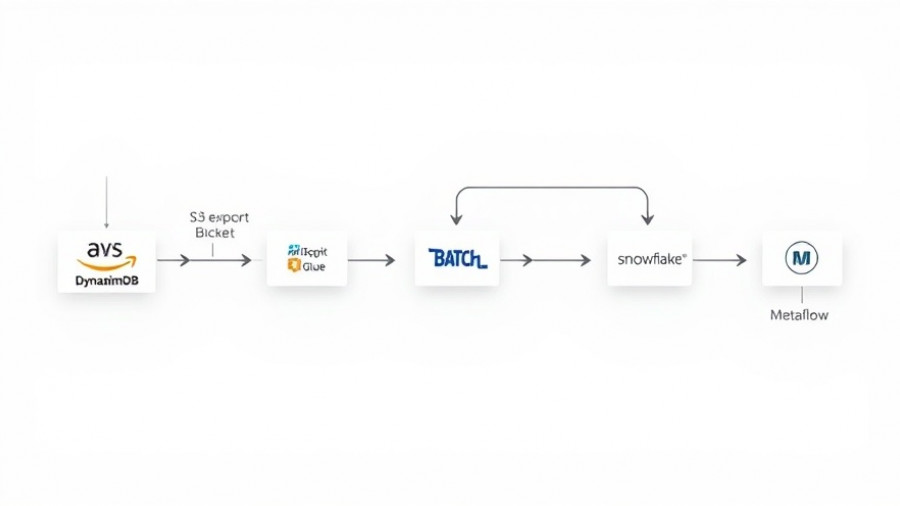
AI-driven personalized recommendations data pipeline with Amazon services.

Understanding the Power of Validation in AI-Driven Recommendations

As small business owners increasingly turn to artificial intelligence to enhance their operations, understanding how data validation can influence personalization becomes crucial. Realtor.com's approach to end-to-end validation serves as a stellar example of ensuring accurate recommendations based on user preferences and data reliability.

How ETL Pipelines Enhance Business Operations

The essence of Realtor.com's recommendation system lies in its effective use of Extract, Transform, Load (ETL) processes. These pipelines ensure the smooth transfer of data from machine learning models to user interfaces. If you're considering similar AI solutions, understanding the importance of a robust ETL setup could save you from costly data mishaps.

The Apollo API: A Game Changer for Small Businesses

The Apollo API is not just a backend tool; it represents a bridge between tech developers and real-world applications. By leveraging APIs like Apollo, small business owners can dynamically integrate property data into their services, enhancing user experience significantly. For instance, you could automatically update your listings, providing potential buyers with real-time information, which is more engaging and increases trust.

Real-World Case Study: Lessons from Realtor.com

In July, a scenario unfolded within the company that underlines the merits of their validation framework. A missing parquet file meant that data required for user recommendations dwindled, despite the upstream systems signaling success. This incident highlights the significance of thorough validation mechanisms to catch anomalies before they impact customer experience. Such learnings can inform your data operational strategies, especially when embracing AI.

The Bigger Picture: AI’s Reliability in Business

When integrating AI into business operations, especially personalized ones, validation can't be an afterthought. Systems like the one used by Realtor.com illustrate both the complexity and necessity of verifying data integrity. As you explore tools to incorporate AI, it's wise to prioritize platforms that ensure such validation, enhancing user trust in your business offerings.

Practical Steps On Adopting AI Validation Techniques

If you are eager to improve your service delivery with AI, integrating a validation framework can help maintain data reliability. Here are some quick tips you might find useful:

  • Invest in Quality ETL Tools: Platforms like Apache Airflow can automate processes and ensure data checks.
  • Monitor Regularly: Set up process alerts similar to those in Realtor.com’s validation framework. Prompt action on discrepancies can save hours of work.
  • Learn from Case Studies: Successful implementation often leans heavily on research. Look for case studies within your industry.

Embracing these steps can lead you toward harnessing AI's true potential, ensuring that your offerings not only meet but exceed customer expectations.

Call to Action: Embrace AI with Confidence

The world of AI offers vast opportunities to enhance and transform your business. By incorporating validation frameworks like those at Realtor.com, you can ensure that your recommendations and operations are built on reliable, high-quality data. Keep exploring the benefits of AI, and don’t hesitate to implement some of the strategies discussed here in your own business.

This thoughtful approach to integrating AI not only aids in promoting better decision-making but strengthens the foundation of your business in an increasingly tech-driven market.

AI in Real Estate

Write A Comment

*
*
Please complete the captcha to submit your comment.
Related Posts All Posts
04.22.2026

Unlocking the Future with GEM Ventures: A Community for Proptech Innovators

Update Understanding GEM Ventures: A New Era of Proptech Investment In the constantly evolving landscape of real estate technology, GEM Ventures emerges as a pioneering player dedicated to fostering innovation within the housing and construction sectors. Founded by seasoned operators and motivated investors, GEM Ventures offers more than just capital; it’s a community-driven initiative that prioritizes strategic partnerships over traditional funding models. Built on Relationships: The GEM Approach Unlike conventional venture capital firms that might adopt a hands-off approach, GEM Ventures is characterized by a robust network of founders and operators. These seasoned professionals have honed their skills over years in the proptech space, establishing trust and building lasting relationships within the industry. This collaboration enables them to back each other in ways that enhance every venture’s potential for success. GEM Ventures seeks to attract founders who value active involvement from their investors—those who are not just signing checks but are also ready to share perspectives, insights, and connections that can be transformative for their businesses. The Power of Community: A Springboard for Entrepreneurs As GEM Ventures looks to the future, the organization prioritizes accessibility and fundraising that respects the founder's journey. The platform aims to remove barriers commonly associated with venture capital fundraising, emphasizing merit-driven access without associated fees or pay-to-pitch models. This inclusive philosophy fuels a dynamic environment where entrepreneurs can thrive and find the support they need to innovate. Unique Benefits of Joining GEM Ventures Founders associated with GEM Ventures benefit from the collective intelligence of experienced operators who pool their experience and perspectives to vet deals rigorously. This model not only diversifies risk but also enables founders to leverage a wealth of knowledge in their growth strategies. For small business owners and proptech innovators, the value of having a deeply invested partner is immeasurable. Moreover, GEM's strategic capital arrives with a promise of ongoing support that extends beyond initial investments. Founders can expect advisory services, strategic connections, and shared accountability that establish a solid foundation for long-term success. Investment Areas: Shaping the Future of Real Estate GEM Ventures operates with a clear investment thesis focusing on critical areas within the built environment. Founders looking to innovate in wealth management, consumer search, resilient housing, and robotics will find GEM Ventures an ideal partner. With considerable gaps in housing supply and an increasing demand for innovative solutions to climate adversity, now is the time for change. Wealth Management Tools: Enable a seamless transition from agent to wealth manager, allowing real estate professionals to better meet their clients’ financial needs. Building More Homes: Address the dire housing shortfall with advanced technology solutions, ensuring every American has access to a quality home. Resilient Housing Innovations: Develop homes capable of withstanding catastrophic weather while minimizing environmental impact. Why Now Is the Time for Aspiring Proptech Founders For those in the proptech industry or related spaces, connecting with GEM Ventures could be a game-changer. The organization actively seeks bold ideas and innovative solutions that challenge the status quo. By aligning with a group that prioritizes active partnerships and community engagement, entrepreneurs can dramatically enhance their chances of success. Call to Action: Join the GEM Community If you're passionate about building the future of housing or construction, GEM Ventures wants to hear from you. This is an invitation to be part of a forward-thinking collective that believes in collaboration and long-term relationships. Don't hesitate—submit your application today and join a community that empowers innovators!

04.07.2026

Why American MLSs Should Embrace Global Outreach for Success

Update Why Global Outreach Matters for American MLSs For decades, the U.S. has held a dominant position in global real estate markets, thanks to its robust Multiple Listing Services (MLS) and real estate associations. However, the question for American MLSs today isn't if they should engage globally, but rather, can they afford not to? As international markets evolve and adapt, American associations can leverage global outreach to enhance their own frameworks and gain valuable insights. Learning from Global Trends Real estate markets around the world face challenges akin to those in the U.S., including fragmented data and consumer trust issues. Yet, emerging markets are often quicker at testing innovative models. By observing how other nations solve structural inefficiencies, American MLS leaders can: Identify opportunities for innovation Enhance transparency and data governance Adopt adaptable strategies that boost local practices This reciprocal exchange of ideas emphasizes that global engagement is a two-way street—there's much to learn as well as to teach, enriching the local MLS landscape through international experience. Expanding Decision-Making Perspectives Limiting decision-making to familiar, domestic frameworks runs a significant risk of constraining innovation. Exposure to diverse market structures can help MLS executives: Rethink outdated assumptions about local practices View the MLS as not just a local, but a global resource Develop strategies influenced by international consumer behaviors This broadened outlook promotes more robust decision-making and enhances member experiences with innovative solutions better suited to evolving market needs. Unlocking Cross-Border Opportunities Every year, billions in real estate transactions involve international buyers. However, without structured access to these global markets, American MLS members miss significant opportunities: U.S. listings lack exposure to foreign buyers Agents lose touch with potential international clients Investors struggle with navigating complex U.S. regulations Initiatives like the Global Data Exchange (GDX) can fill this gap by: Connecting local listings to global demand Empowering agents to tap into international transactions Creating a more inclusive real estate market Strengthening the MLS Model The MLS is an iconic element of successful real estate practices in the U.S., yet many regions worldwide still do not fully embrace this model. Through global outreach, American MLS leaders can: Advocate for collaborative practices and data sharing Support the establishment of structured marketplaces in developing regions Help emerging markets navigate potential pitfalls This isn't just about expansion; it’s about fortifying the principles of accuracy, cooperation, and transparency that underline the MLS. Strengthening these values globally is crucial for maintaining their relevance in an increasingly interconnected world. In Closing As the global landscape for real estate continues to evolve, American MLSs and real estate associations cannot afford to remain insular. Engaging on an international scale offers invaluable lessons, perspectives, and opportunities. By actively participating in global outreach initiatives, American real estate leaders can transform not only their business practices but also the experiences they provide to their members. Now is the time to act!

03.29.2026

Unlocking Competitive Advantage: Why Hardware Dominates Proptech Today

Update Why Hardware is Becoming Proptech's Strongest Competitive Moat The proptech landscape is shifting dramatically, as businesses recognize the power of integrating hardware into their models. By doing so, they are establishing a competitive advantage that goes beyond traditional software solutions. With advancements in AI making software easy to replicate, owning the hardware layer becomes a game-changer in defining market leadership. The Importance of Hardware in a Competitive Landscape In the realm of proptech, hardware is becoming a crucial asset. While it’s relatively easy for companies to churn out new software applications, creating hardware requires time, resources, and expertise that aren’t easily duplicated. For proptech firms, having hardware means controlling firmware updates, management of engineering cycles, and the release of product updates—all on their own terms. Moreover, owning the hardware not only shields companies from software competition but also allows them to create tailored solutions that address specific market needs, especially pressing within the multifamily and single-family rental markets. Learning from Supply Chain Vulnerabilities The COVID-19 pandemic threw a spotlight on supply chain vulnerabilities that many industries face, particularly proptech. Companies relying solely on third-party manufacturers found themselves navigating extended delivery timelines and unpredictable production halts. By taking control of their supply chains through vertical integration, these companies can ensure operational resilience. Owning more of the supply process reduces risks and enhances reliability for customers, creating a more stable business framework. For small business owners, understanding this dynamic can lead to better decision-making. When you have control over your supply chain, you can mitigate the effects of external crises, allowing your business to stand strong even in turbulent times. Strategic Integration: Choosing the Right Partners As proptech companies innovate and adapt, the importance of choosing the right integration partners grows. Instead of focusing on expanding feature counts, firms should look for partnerships that add true value and complement their offerings. This can lead to enhanced user experiences rather than simply increasing complexity. By having hardware and software controlled under one roof, companies can make strategic decisions that prioritize quality over quantity in their integrations. Questions to consider include: How well do they scale? Do they enhance the user experience? Do these partners align with our values? Guiding Considerations for Founders and Operators For founders in the proptech space, the integration of hardware leads to architectural questions regarding dependency on external entities. Understanding which aspects of their offerings they genuinely control offers invaluable insights into their market position. Questions can encompass everything from evaluating competitive moats to discerning where external dependencies may impact product quality or customer service. A strong competitive moat isn’t just about relationships or agreements; it’s about making informed engineering choices that establish a clear separation from competitors. Embracing Changes with AI and Tools For small business owners eager to leverage AI and advanced tools, the proptech sector provides a blueprint for innovation. By understanding the significance of integrating hardware and software, they can better navigate their journeys through the complexities of technology in modern business landscapes. The ability to adapt and build strong foundations can lead not only to resilience but also to pioneering success in niche markets. Your Path Forward: Making Smart Choices in Proptech In conclusion, the transition towards hardware integration in proptech isn't just a trend; it represents a critical shift that resonates with small business owners. By recognizing the advantages of hardware ownership and strategic partnerships, entrepreneurs can strengthen their competitive edge. Stay informed, take proactive steps, and consider how the lessons from proptech can pave the way for resilience in your business. Subscribe to our newsletter for more insights and stay ahead in the ever-evolving tech landscape!

Terms of Service

Privacy Policy

Core Modal Title

Sorry, no results found

You Might Find These Articles Interesting

T
Please Check Your Email
We Will Be Following Up Shortly
*
*
*